Dams Tailings Monitoring.png

How GEL Instrumentation Monitors Dams & Tailings

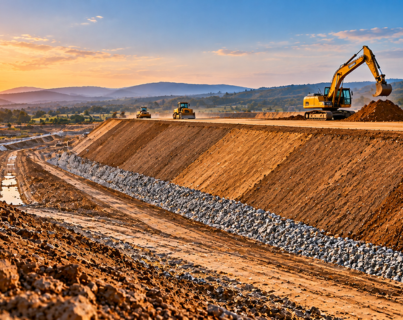
GEL Instrumentation works with dams and tailings engineers on conditions the crest never shows. We instrument phreatic surface position and pore pressure response to raise rate and rainfall. We also measure deformation developing in the foundation and shell as loading increases. Those parameters get measured on your facility, not inferred from inspection alone.

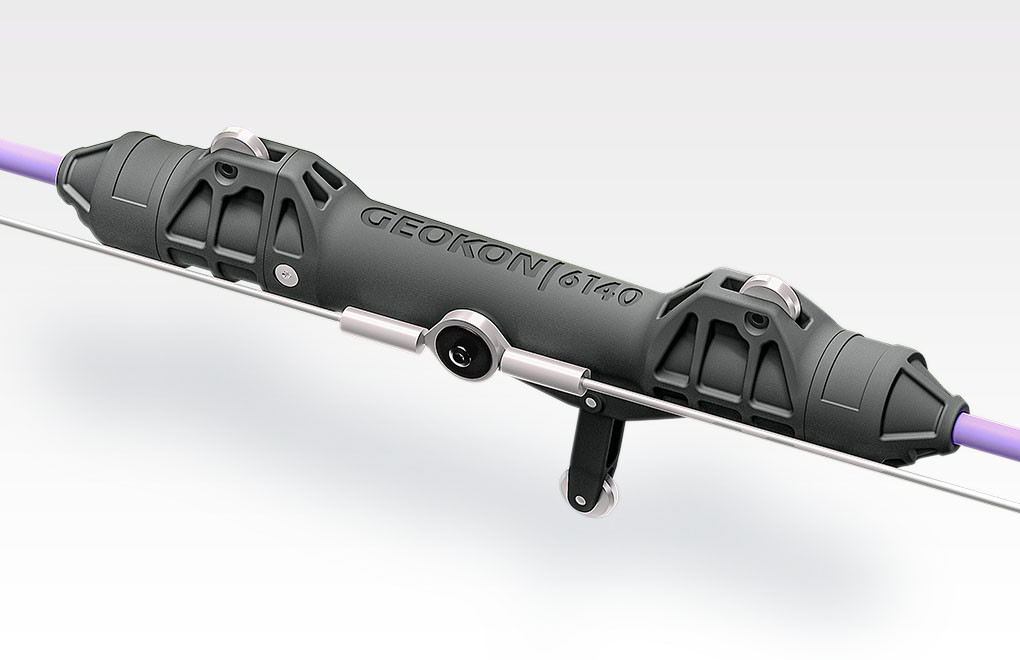
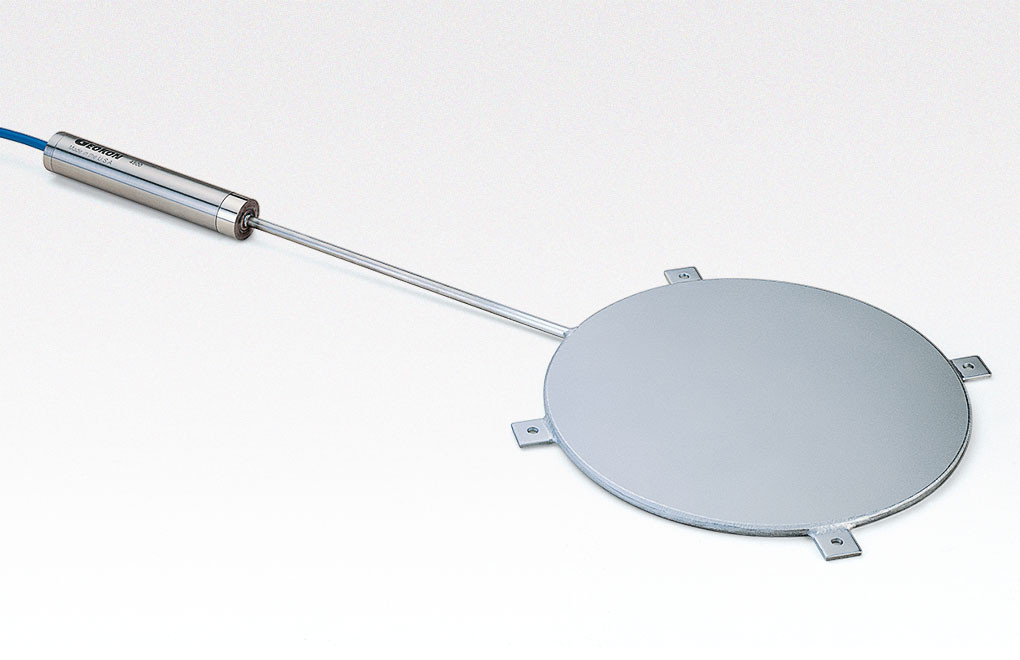
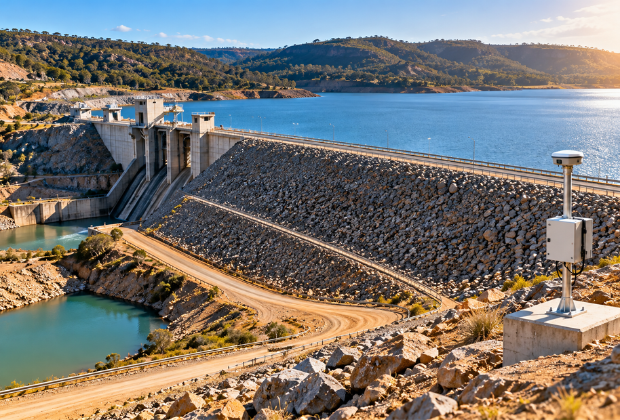
Our monitoring designs combine instruments chosen for what each one actually needs to resolve. Vibrating wire piezometers sit at defined elevations to define the phreatic surface profile. In-place inclinometers profile lateral deformation through the embankment and the foundation beneath it. The GEL GNSS Displacement Monitoring System measures absolute movement across crest and downstream slope.

Installation is part of the measurement, with methods selected based on required response times and site conditions. GEL establishes baseline records and protects cabling for long-term monitoring. With Convue, you get a monitoring software and data platform that brings readings, alerts, and project context together for ongoing review.
FAQs

  • Which vibrating wire piezometer suits a tailings embankment?
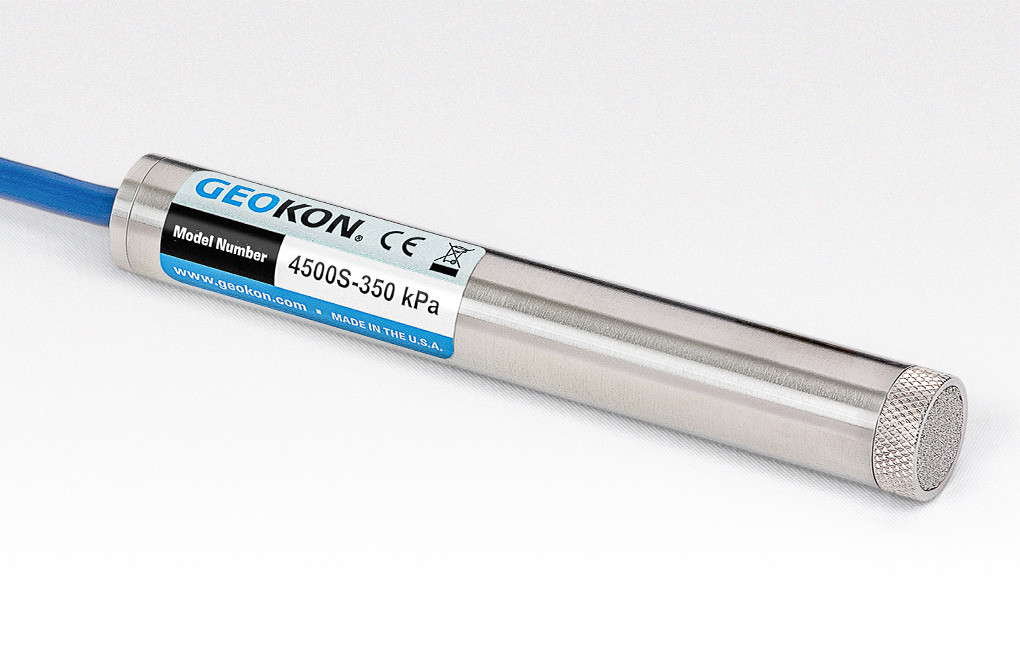
    It depends on the pressure range at the installation elevation and the conditions the sensor will sit in. The Vibrating Wire Piezometers family covers standard, heavy duty, small diameter and corrosion-resistant variants. Tell us the expected head, installation depth, quantity and cable length, and our engineers will confirm the model and range.
  • Yes. Multilevel variants within the Vibrating Wire Piezometers family place several sensors in one borehole, so separate horizons are monitored without additional drilling. This suits embankments where the phreatic surface and the foundation response need to be separated.
  • Settlement points are installed in stages and baselined as each lift goes in. Multilevel systems within the Settlement Sensors family profile settlement at several levels through the fill, so foundation settlement can be separated from compression within the embankment itself. Expected settlement range and number of points drive the selection.
  • One measures below the surface, the other measures the surface itself. In-Place Inclinometers profile lateral deformation with depth, so they show where shear is developing inside the embankment and foundation. GNSS Displacement Monitoring measures absolute three-dimensional movement of the crest and downstream slope, independent of local reference points that may also be moving. Most dam programs run both.
  • It follows the instrument schedule rather than a standard figure. Integrated Data Loggers read vibrating wire, analog and digital sensors on one unit, with multiplexers and vibrating wire interfaces added as sensor counts grow. Send us the sensor list, quantities, logging interval and available power and communications, and we will size the acquisition.
  • Usually yes, depending on the sensors already installed. Existing vibrating wire piezometers can often be connected to an integrated data logger or a vibrating wire interface, so readings continue automatically instead of requiring a site visit. Readings then feed Convue, our monitoring software and data platform, where your engineers track trends against alert levels remotely.

Talk to an Engineer About Your Dams & Tailings Project

Tell us the facility, what the monitoring plan requires and the conditions on site. Our engineers will work through the instrumentation and the system around it.