Building & Construction Monitoring.png

Monitor Bridges & Structures With GEL Instrumentation

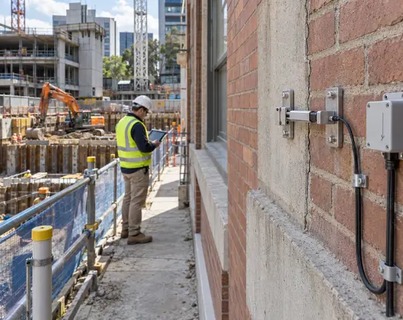
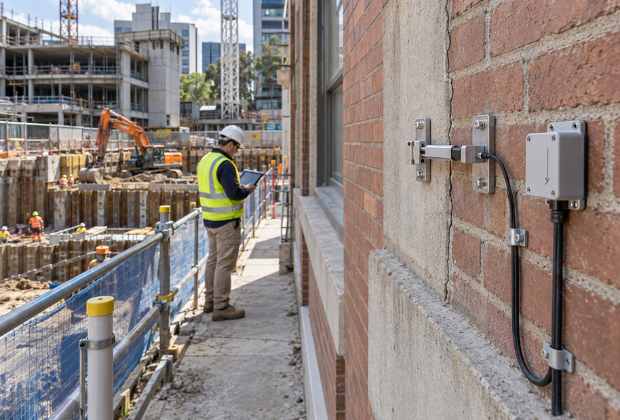
Measure movement, strain, load redistribution or tilt caused due to construction, loading, excavation and environmental changes with GEL Instrumentation. We help you configure monitoring around the structural response project teams need to understand as conditions change. This helps establish measurable information about how structures respond throughout construction and operation.

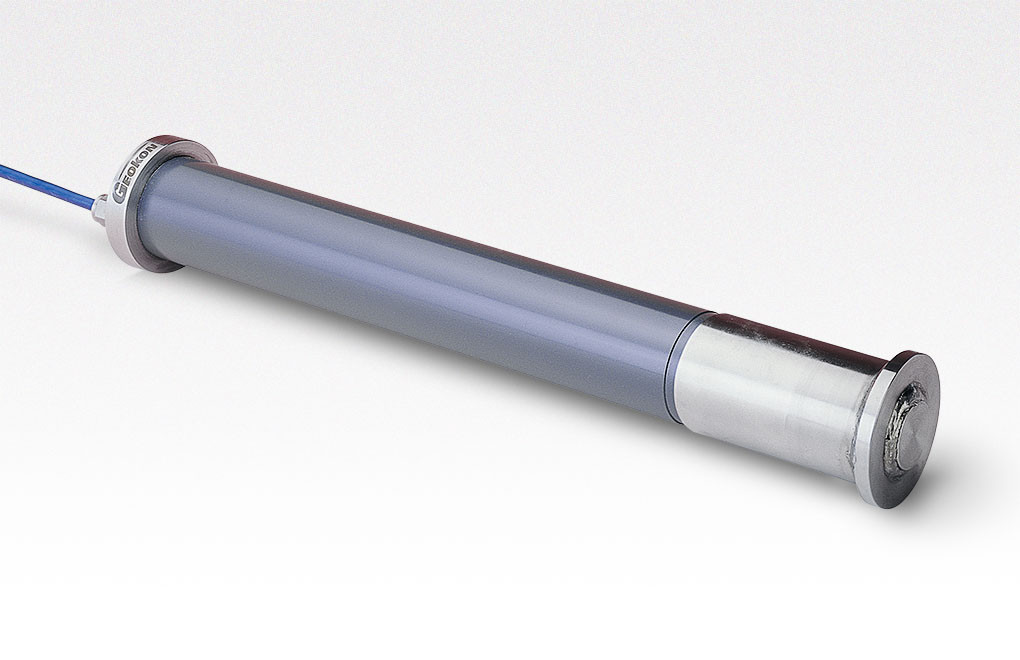
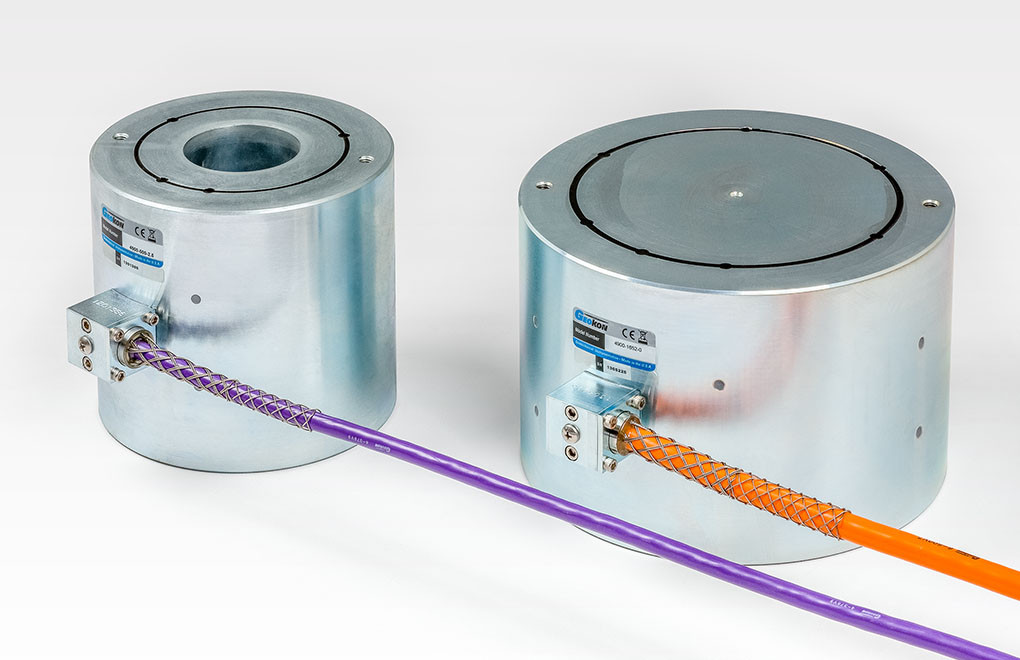
Strain gauges measure structural strain, while load cells measure load. Displacement and crack monitoring track movement and cracking, while tiltmeters measure tilt and rotation. Temperature measurement can also be included where it influences how other readings are interpreted.

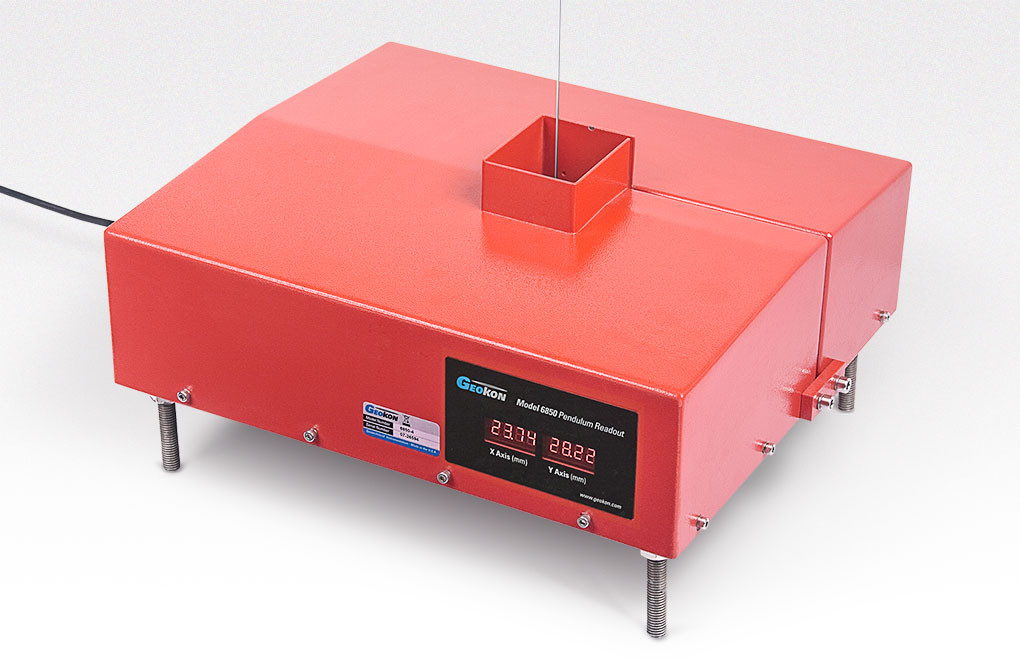
Data acquisition, telemetry and Convue connect these measurements for review in one monitoring system. This gives project teams the context needed to understand structural response as conditions, construction stages and loading change. Bringing related measurements together also makes it easier to review changes across the monitoring system.
FAQs

  • Which strain gauge suits a concrete bridge element?
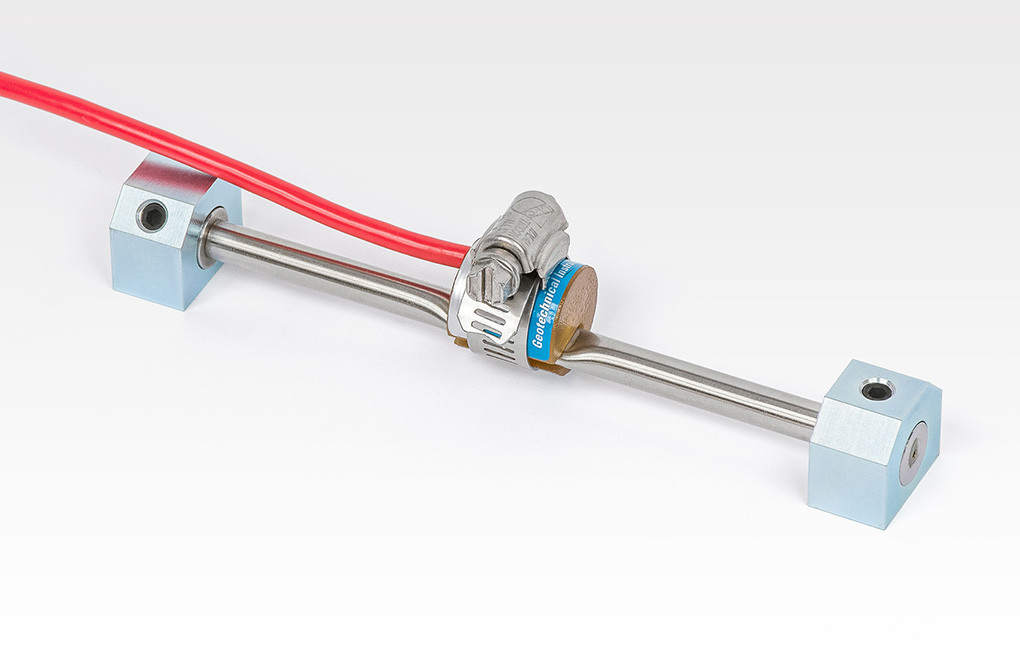
    Embedment variants within the Strain Gauges family are cast into the member, so strain is measured from early age through service. Weldable variants suit steel members where the gauge is attached to the surface. The choice follows the material and whether the structure is new or existing.
  • Because a large part of what a strain gauge reads is thermal, not load. Vibrating wire gauges include temperature measurement so thermal effects can be separated from structural response. Readings without temperature context are difficult to interpret on any exposed structure.
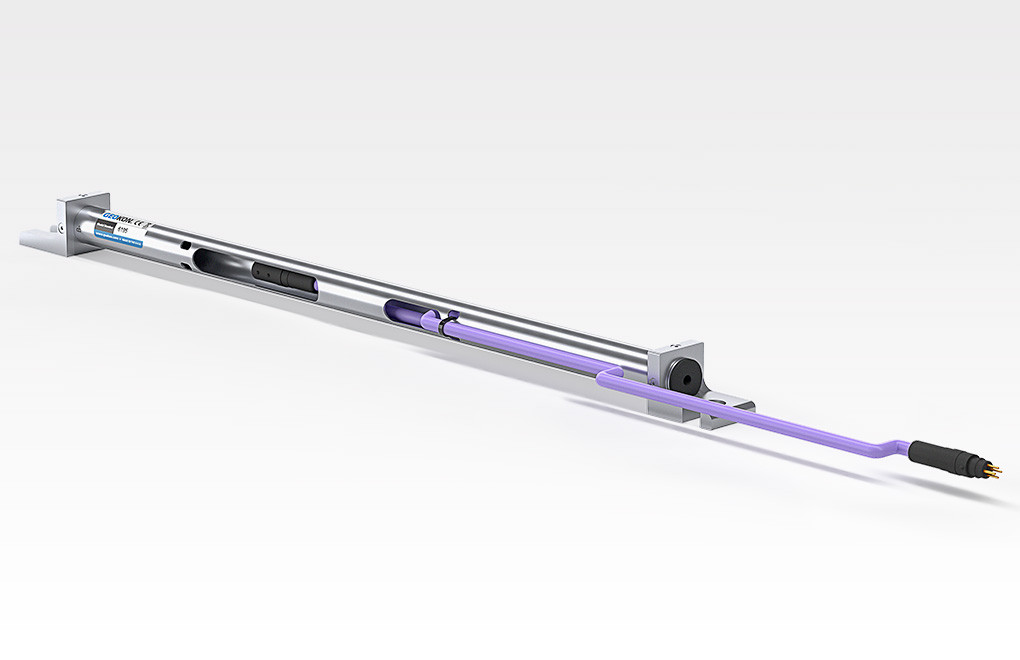
  • Tilt beams within the Tiltmeter family can be chained along the deck, and the tilt profile integrated to give a deflection shape. This suits spans where installing a direct displacement reference is impractical. Beam length and spacing follow the span and the resolution required.
  • Usually yes. Displacement transducers and tilt sensors are surface-mounted and can be installed during normal access windows, then read remotely. Instrumentation is planned around the access you actually have rather than assuming a full closure.
  • GNSS Displacement Monitoring measures absolute three-dimensional movement of piers, abutments and approach embankments. It is independent of local reference points that may also be moving, which matters where the whole approach is settling. Point locations and required accuracy drive the configuration.

Talk to a GEL Instrumentation Engineer About Your Bridges & Structural Project

Tell us the structure, the loading or construction that concerns you, and what needs to be demonstrated. Our engineers will scope the monitoring.