Environmental & Research.png

How GEL Instrumentation Helps Monitor Excavations & Retaining Walls

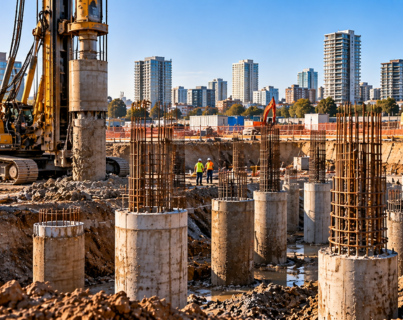
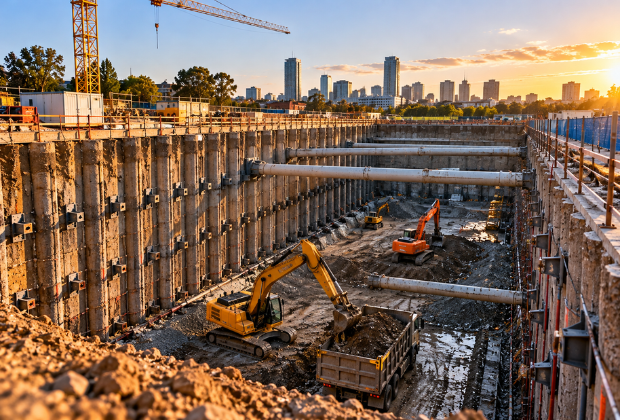
Excavation changes ground movement, groundwater pressure, structural loads and conditions around neighbouring assets. GEL Instrumentation brings these measurements together so project teams can see how conditions change as work progresses. This provides a clearer view of excavation behaviour while construction is underway.

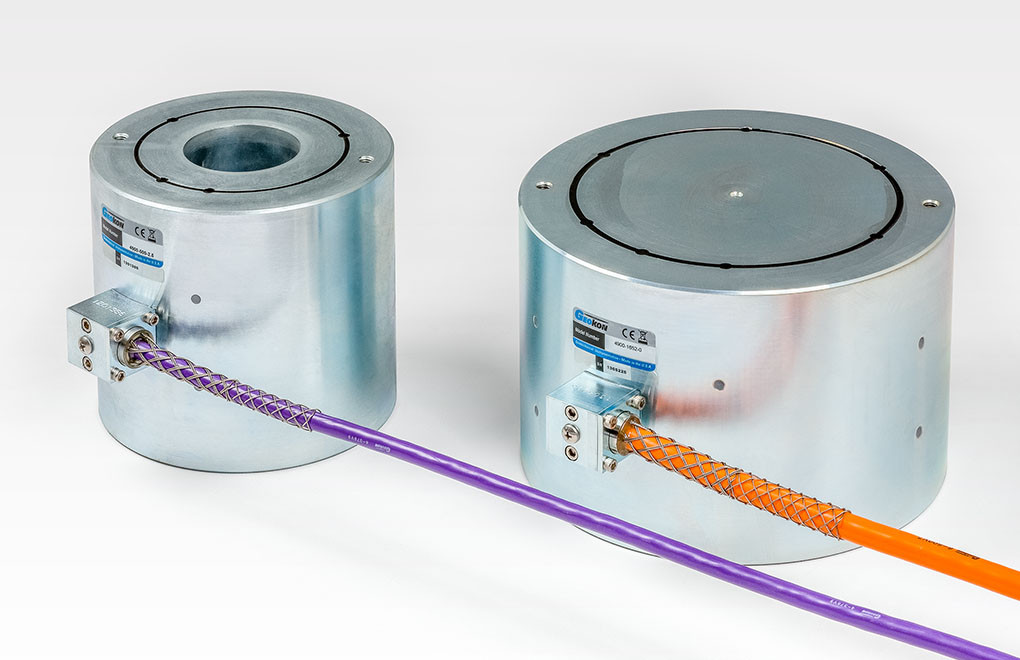
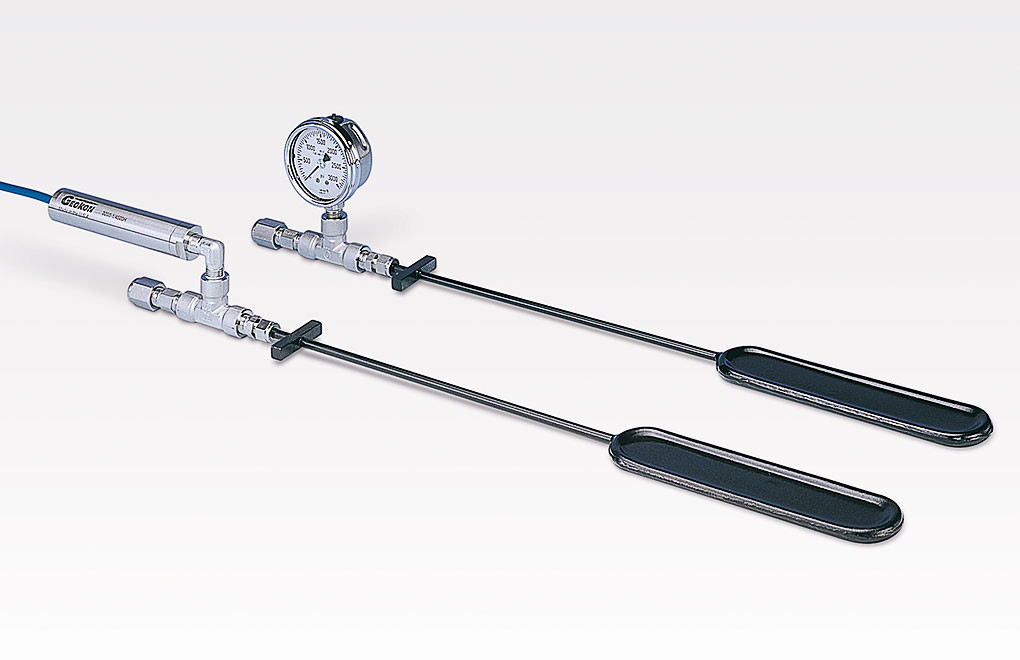
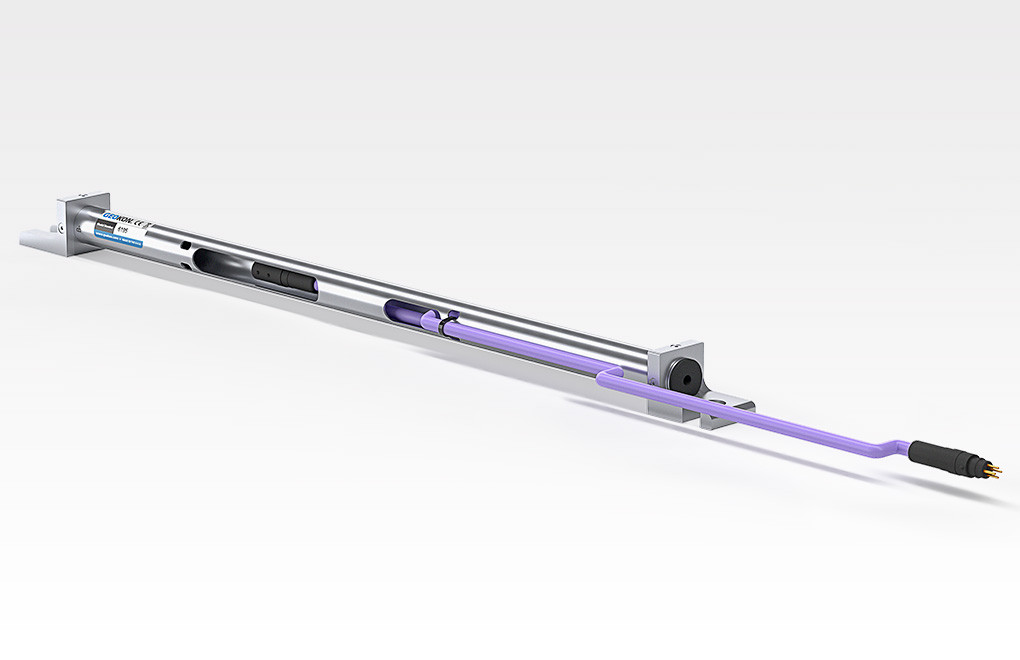
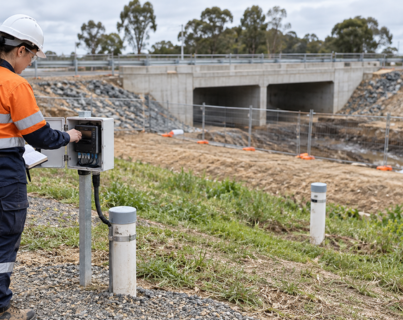
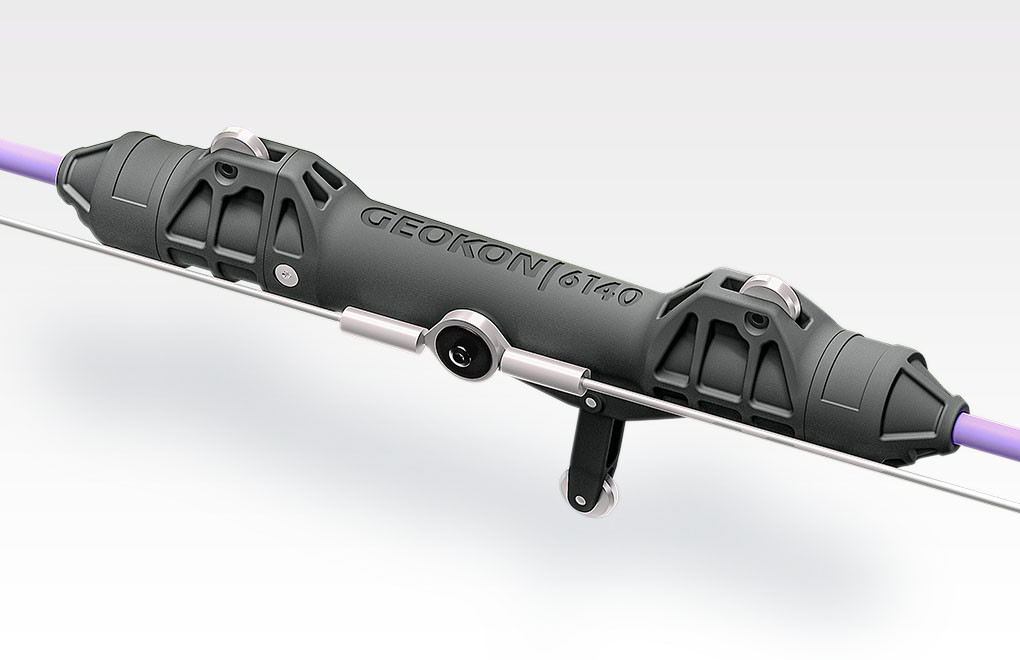
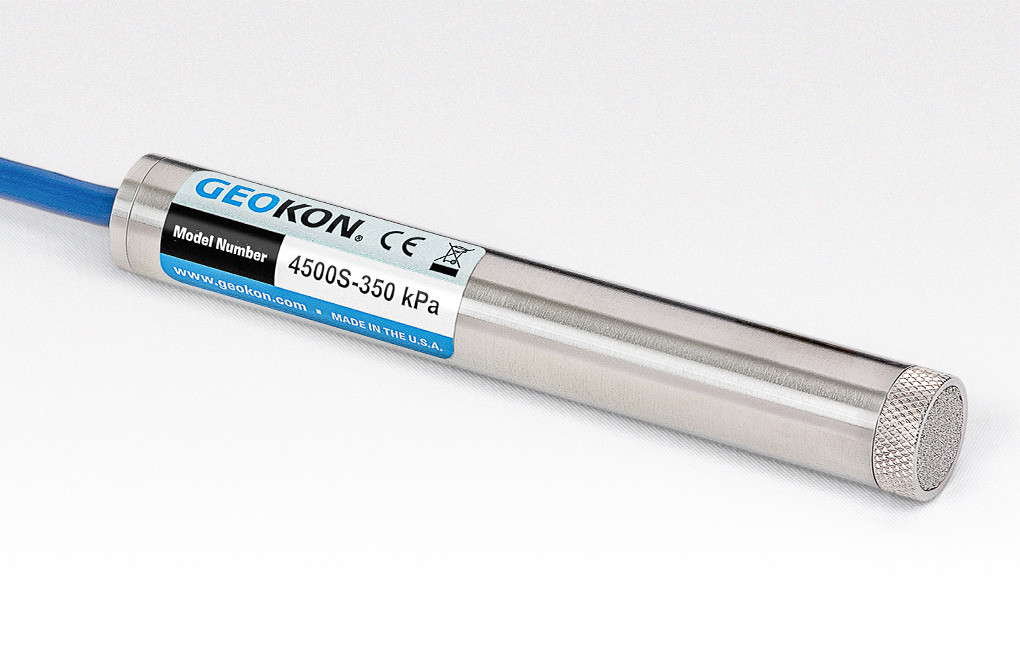
Inclinometers and in-place inclinometers track lateral ground or wall movement. Piezometers monitor groundwater response to excavation and dewatering. Strain gauges and load cells measure props, struts, anchors and structural elements where specified. Displacement and tilt sensors track movement at selected locations.

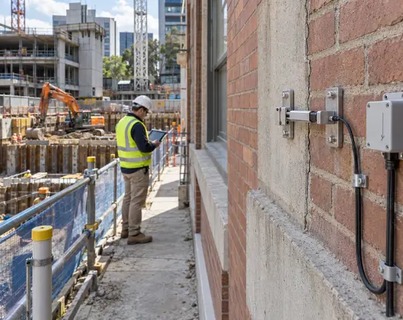
Monitoring can also be configured around structures and infrastructure adjacent to the works. GEL installs the required instruments and automates data collection and telemetry where appropriate. Locations and alerts are then brought into Convue so the project team can use the information as conditions change. This connects field measurements with accessible monitoring information throughout the excavation.
Common Questions

  • When should inclinometers be installed on an excavation?
    Before excavation starts, so a baseline exists against the undisturbed condition. In-Place Inclinometers installed behind the wall then track lateral movement automatically as each stage is dug. Installing after the first lift loses the movement that has already occurred.
  • Load Cells are installed at the point of stressing and baselined immediately. Readings show applied and residual load through the excavation sequence, which matters where props are being installed, preloaded or removed in stages. Capacity and quantity follow the temporary works design.
  • One measures pressure from the ground, the other measures load in a structural element. Pressure Cells measure earth pressure acting against the retaining structure, while Load Cells measure what the prop or anchor is carrying. Many excavations monitor both.
  • With tilt and crack measurement, baselined before work starts. Tiltmeters detect rotation in neighbouring walls, and displacement transducers quantify movement across existing cracks. A pre-construction baseline is what makes the later readings defensible.
  • Yes, with automated acquisition. Integrated Data Loggers read the instrument array on a set interval, and logging frequency can be increased through critical stages. Convue then shows your engineers wall movement and prop load together at each excavation stage.

Talk to a GEL Instrumentation Engineer About Your Excavations & Retaining Walls Project

Send us the excavation depth, the retention system and what sits next door. Our engineers will work through the monitoring with you.