Groundwater Monitoring.png

How GEL Instrumentation Helps with Groundwater Monitoring

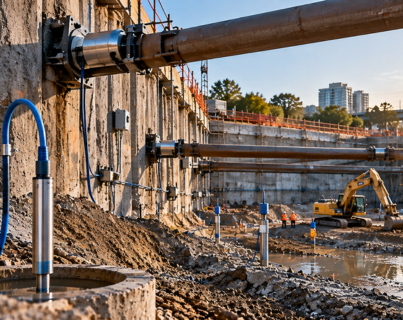
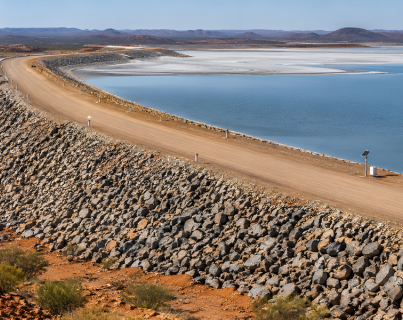
GEL Instrumentation works with geotechnical and water engineers on groundwater that drives project risk. We instrument groundwater level, pore-water pressure and response to dewatering or rainfall. We also track long-term change across construction, infrastructure, mining and water projects. Those readings support design verification and construction control, not assumption.

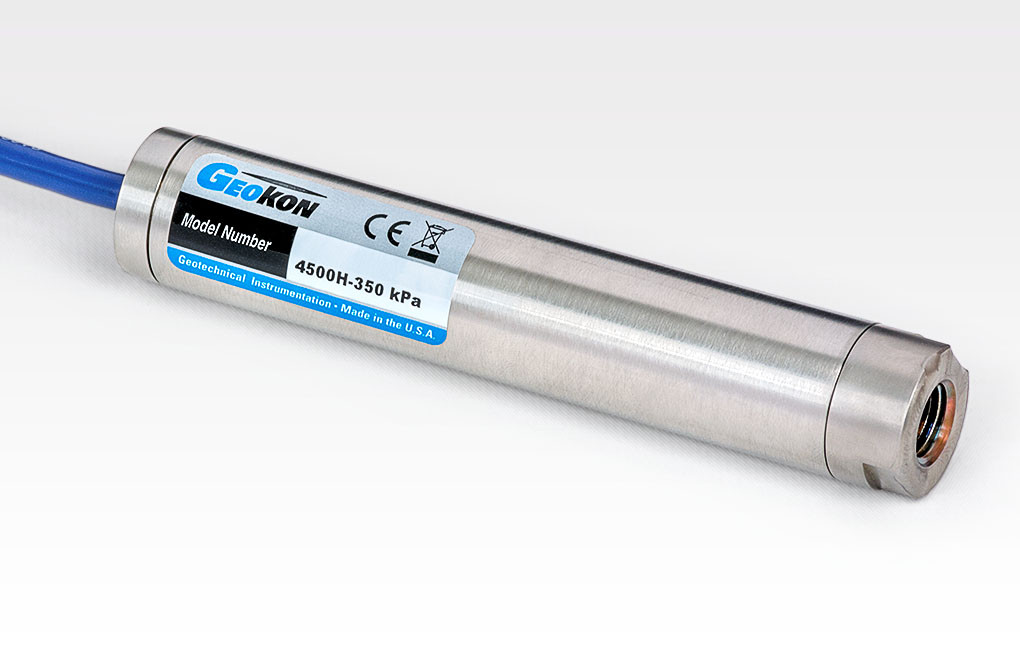
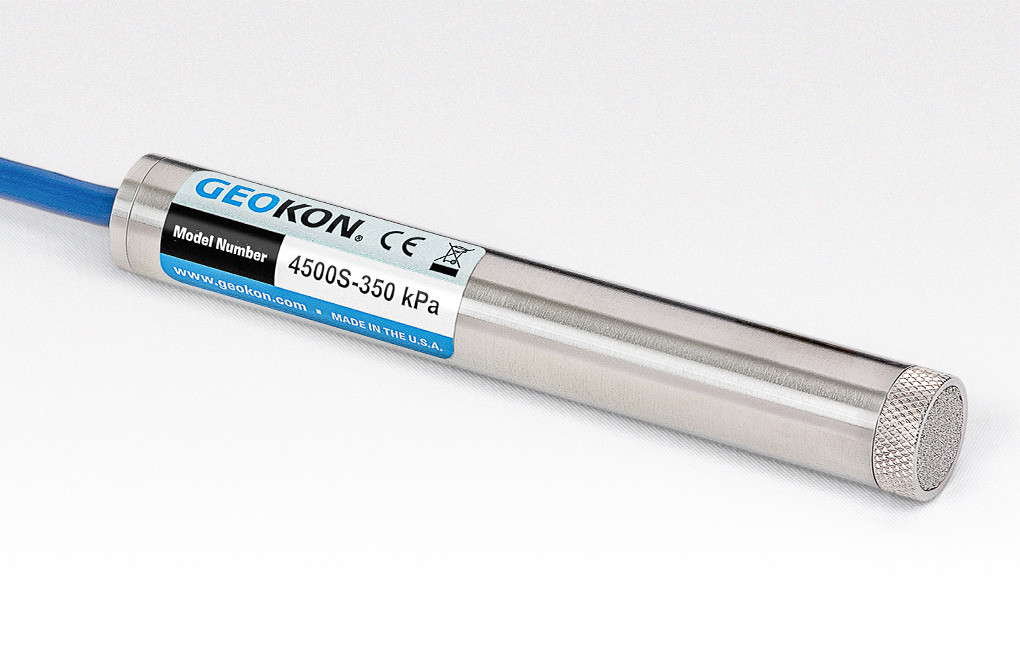
Our monitoring designs combine instruments chosen for what each one actually needs to resolve. Vibrating wire piezometers measure pore-water pressure and groundwater level at defined depths. Vibrating Wire Dataloggers automate collection so readings continue between site visits. Wireless Dataloggers extend coverage where cabled runs across the site are impractical.

Where automated monitoring is required, GEL can configure Campbell Scientific or GEOKON data acquisition instrumentations with telemetry and Convue. Installation, commissioning and ongoing monitoring can also support the system throughout its operational life. This provides a connected approach from field measurement through to accessible monitoring data.
FAQs

  • What is the difference between groundwater level and pore-water pressure?
    Level tells you where the water table sits, pressure tells you what is happening at a specific horizon. Casagrande Piezometers read level in a defined response zone, while Vibrating Wire Piezometers read pressure at the depth they are installed. Projects with layered ground usually need the second.
  • Yes. Multilevel variants within the Vibrating Wire Piezometers family carry several sensors in a single installation, so separate aquifers or horizons are tracked without drilling again. We confirm sensor count, depths and spacing against the monitoring objective before quoting.
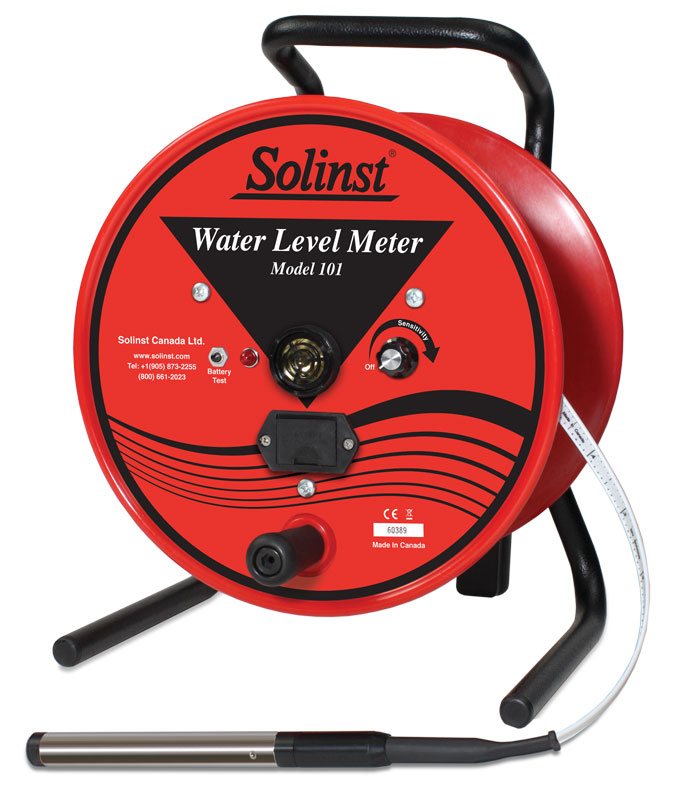
  • Many programs keep both. A Water Level Meter gives a direct dip that can be compared against automated sensor output, which is useful for verification and for periods when a logger is offline. Portable readouts serve the same purpose for vibrating wire instruments.
  • Response time depends on how the sensor is installed and the ground it sits in. Grouted-in and sand-pocket installations behave differently, and the right choice depends on permeability and how quickly you need to see change. Our engineers set the method against the monitoring objective.
  • A logger sized to the sensor count, cabling, power and a communications path. Integrated Data Loggers read vibrating wire and analog sensors together, with interfaces added as the network grows. Readings feed Convue, our monitoring software and data platform, so levels and trends are available without a site visit.

Discuss Your Groundwater Monitoring

Tell us the application, the depths involved and how often you need readings. Our engineers will recommend instrumentation and the data acquisition to match.