Rail & Transport Monitoring.png

How Gel Instrumentation Helps in Monitoring Rail & Transport Projects

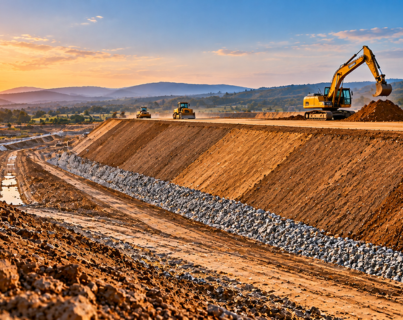
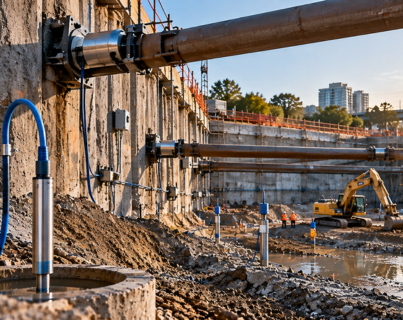
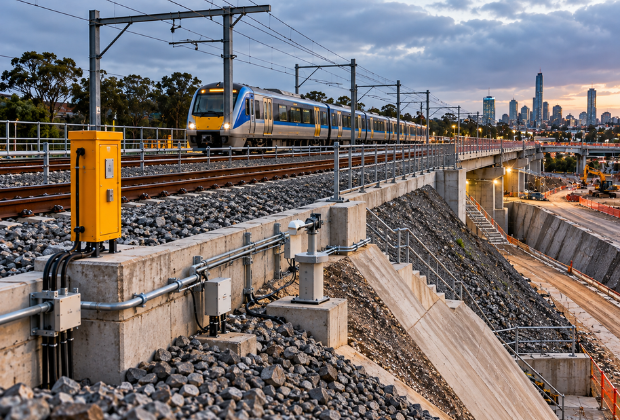
GEL Instrumentation combines several monitoring requirements in one environment, including track formation, structures, slopes, excavations and adjacent assets for rail and transport projects. We configure monitoring across these elements so project teams can understand the corridor as one connected system rather than separate monitoring points.

Tiltmeters measure rotation and movement in structures and track-supporting elements. Inclinometers and in-place inclinometers measure ground movement alongside the corridor. Crack meters and joint meters monitor movement across cracks, joints and interfaces in adjacent assets. These measurements help identify changes around active transport infrastructure.

Access can be a constraint when monitoring live corridors. Automated acquisition and telemetry can keep readings available without regular trackside attendance, while Convue brings monitoring information and alerts together for review between possessions. This supports ongoing visibility while work and transport operations continue.
FAQs

  • How is instrumentation installed on a live rail corridor?
    In packages sized to fit the possession available. Work is planned so each installation can be completed, baselined and made safe within the access window, and instruments are then read remotely. Where possible, boreholes are drilled from outside the corridor to reduce trackside time.
  • Yes, and on a live corridor that is usually the point. Automated acquisition with telemetry means readings continue between possessions, and Convue gives your engineers corridor-wide readings and alerts without booking another possession.
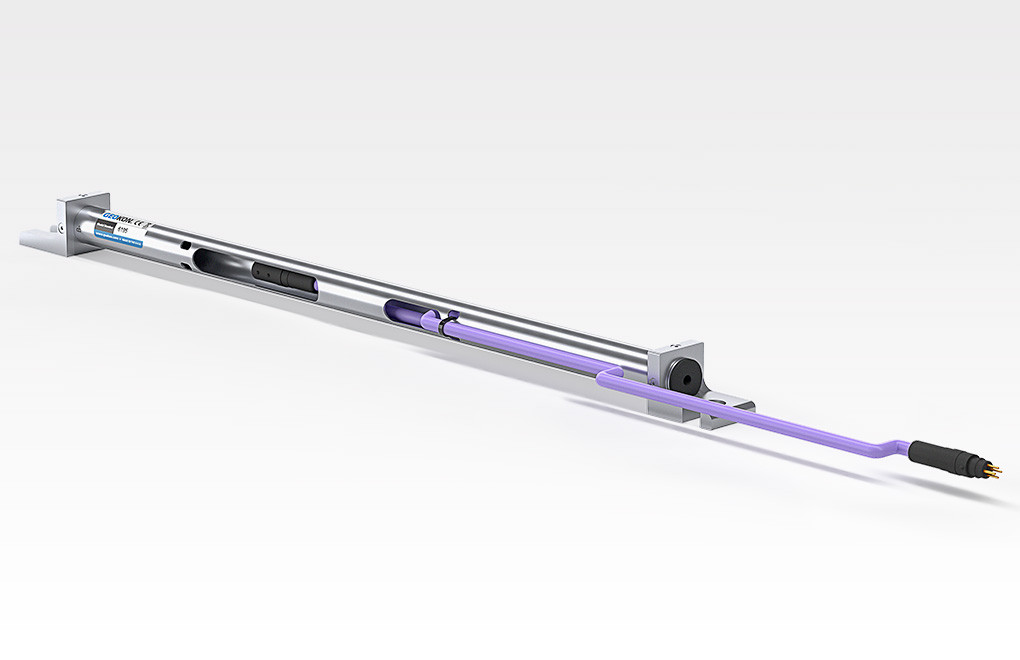
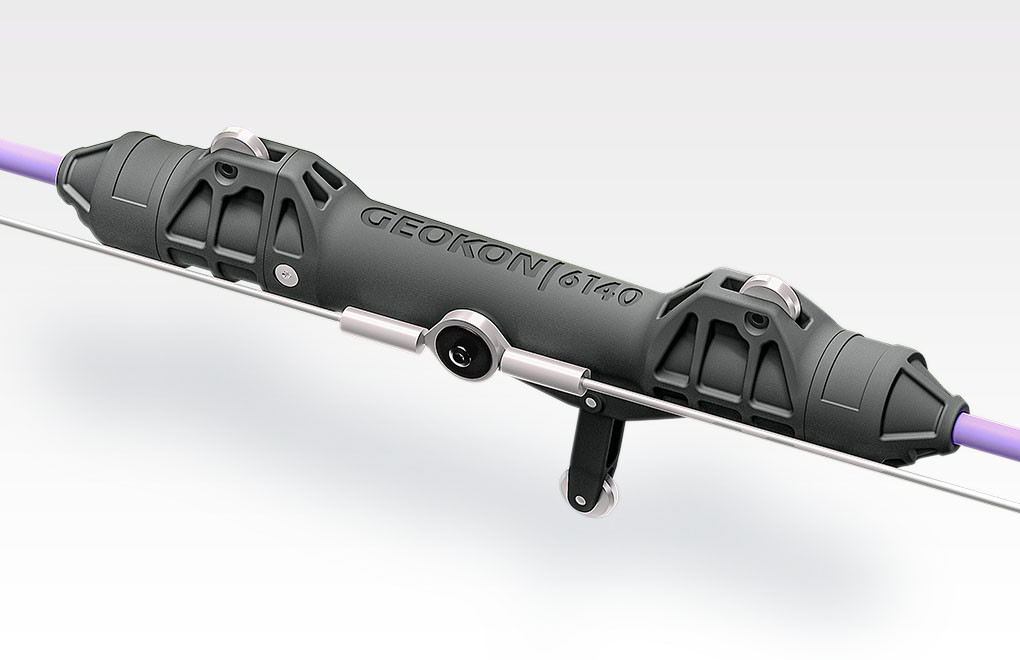
  • Horizontal systems within the Settlement Sensors family measure settlement along a line beneath the formation, installed without disturbing the running line. Point systems suit discrete locations where movement would affect track geometry. The choice follows whether you need a profile or specific locations.
  • With crack and tilt measurement, baselined before the works begin. Displacement Transducers quantify movement across existing cracks, and tilt beams detect rotation in retaining and supporting structures. The pre-works baseline is what makes later readings usable.
  • Ground movement and deformation, using inclinometers and TDR. In-Place Inclinometers resolve the depth of movement, and grouted Time Domain Reflectometry cable locates shear along the full borehole, which suits long corridor lengths.

Talk About Your Rail & Transport Projects With GEL Instrumentation Engineers

Tell us the corridor, the works planned and the assets nearby. Our engineers will configure monitoring that works around your access constraints.